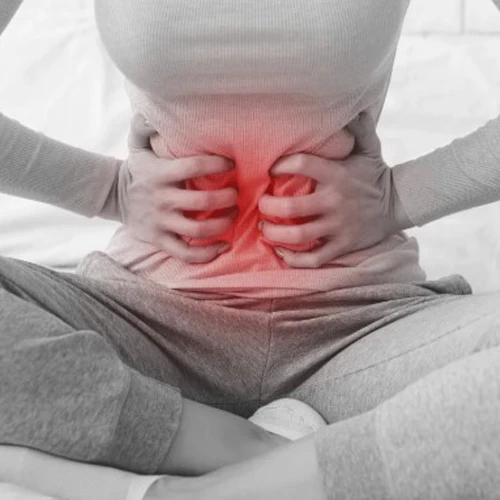
Menstrual pain, also known as dysmenorrhea, is a common condition that occurs before or during menstruation. It typically involves cramp-like sensations in the lower abdomen or pelvis, but can also radiate to the lower back or thighs. The pain is caused by the contraction of the uterus as it sheds its lining. These contractions are triggered by hormonal changes, particularly an increase in prostaglandins, which are chemicals that promote inflammation and muscle contraction.
The intensity of menstrual pain varies, ranging from mild discomfort to severe cramps that interfere with daily activities. In addition to cramps, some women may experience other symptoms, such as bloating, headaches, fatigue, nausea, and diarrhea. The pain typically begins a day or two before menstruation and lasts for 1 to 3 days, although it can persist longer in some cases.
For many women, menstrual pain can be managed with over-the-counter pain relievers such as ibuprofen, along with rest, heat therapy, or gentle exercise. However, in more severe cases, a healthcare provider may recommend hormonal treatments or other medications to alleviate the symptoms. If the pain is unusually intense or persistent, it may indicate an underlying condition, such as endometriosis or fibroids, and should be evaluated by a doctor.

No review given yet!


You need to login to view this feature

This address will be removed from this list